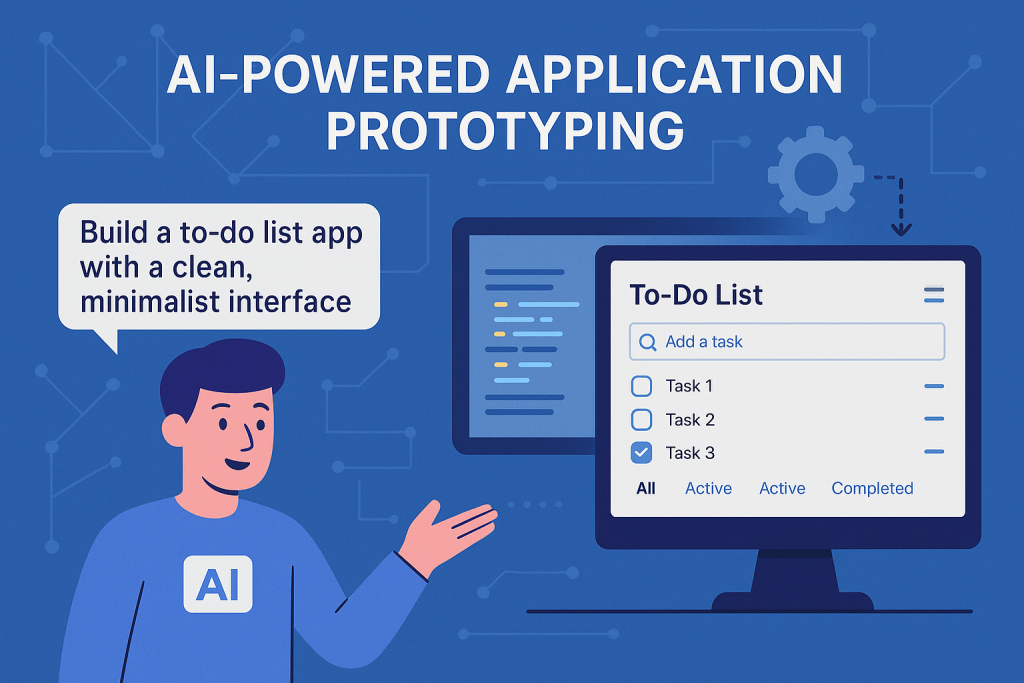
Prototyping an application has been revolutionized by a new wave of AI-powered “vibe coding” tools. This approach allows you to move from idea to a functional prototype with unprecedented speed by simply describing what you want your application to do in natural language. Here’s the best way to get started.
The “Vibe Coding” Prototyping Workflow
Vibe coding essentially treats the AI as a junior developer. You provide the high-level vision, and the AI handles the initial coding legwork. The general process for prototyping with most vibe coding tools is as follows:
- Start with a Clear Prompt: Begin by writing a detailed description of your application. The more specific you are, the better the initial output will be. Instead of “build a to-do list app,” try “build a to-do list app with a clean, minimalist interface. Users should be able to add tasks, mark them as complete, and filter tasks by ‘all,’ ‘active,’ and ‘completed.’ Completed tasks should be automatically moved to the bottom of the list.”
- Choose the Right Tool: The “vibe coding” landscape is rapidly evolving. For beginners and rapid prototyping, browser-based tools are often the most straightforward. Some of the most popular and user-friendly options include:
- Lovable: Excellent for its ease of use and for generating full-stack applications with clear explanations at each step.
- Bolt: Known for its flexibility and integrations with popular services like Stripe, Figma, and GitHub. It also includes a command terminal for more hands-on adjustments.
- Replit: A great choice for planning out your application’s structure before the AI begins to code. It also offers robust database controls.
- Google’s Firebase Studio: A free tool vibe coding tool from Google that uses Gemini and Firebase to host your app.
- Generate the Initial Application: Feed your prompt into your chosen tool. The AI will then generate the initial codebase, including the frontend, backend, and database schema. This process can take a few moments.
- Review and Refine: The initial output will likely not be perfect. Review the generated application and identify areas for improvement. You can then provide follow-up prompts to the AI to make changes. For example, you might say, “Change the primary color to a dark blue,” or “Add a feature that allows users to set a due date for each task.”
- Iterate and Test: Continue this cycle of reviewing, refining, and testing. Many vibe coding platforms provide a live preview of your application, so you can see the changes in real-time.
- Take a Look Under the Hood (Optional but Recommended): While vibe coding can handle much of the initial creation, it’s beneficial to look at the generated code. Tools like Cursor, an AI-first code editor, are excellent for this. You can use it to understand, debug, and even improve the code the AI has written. This step is crucial if you plan to develop the prototype into a full-fledged production application.
Best Practices for Effective Vibe Prototyping
- Think Like a Product Manager: Your role is to guide the AI. Be clear about your vision, the features you want, and the user experience you’re aiming for.
- Start Small and Scale: Don’t try to build a massive, complex application in one go. Start with the core functionality and then gradually add more features through iterative prompts.
- Embrace the Hybrid Approach: For more complex projects, use vibe coding for the initial scaffolding and then switch to a more traditional development workflow for fine-tuning and adding complex logic.
- Don’t Fear the Code: While these tools are powerful, understanding the underlying code will make you a more effective “vibe coder.” You’ll be better equipped to debug issues and guide the AI more precisely.
By leveraging the power of vibe coding tools and following these best practices, you can dramatically accelerate your application prototyping process, allowing you to validate your ideas and get user feedback faster than ever before.